Saturday, September 7, 2019

Iceland 2016 - The Nordic kitchen


Technical Details:
Day of Issue: 18 February 2016
Designer: Oscar Bjarnason
Number per Sheet:10
Printer: Cartor Security Printing
Size: 40 x 30 mm
Printing Process: Offset Litho (CMYK)
Price: ISK 250

The Norden stamps of 2016 are dedicated to Nordic food and what has been termed as the “Nordic kitchen”. In Iceland’s case the focus is on the “Icelandic kitchen”, the stamp featuring Icelandic food ingredients. The history of Icelandic cuisine is rather short and simple. However, an interesting national kitchen has developed – the cuisine being based on excellent ingredients and old traditions. Icelanders have access to fresh and unpolluted ingredients. Little is known about the food and eating habits of Icelanders during the settlement´s first centuries. Settlers brought with them sheep, goats, cattle, pigs, chickens and even ducks. The settlers‘ diet must have been varied. Milk was processed into a variety of products. The exploitation of seabirds and fresh water fish has always been an important part of obtaining food. Icelandic lamb is considered much more like venison than lamb in markets abroad. The main advantages of Icelandic beef is that it is clean and unpolluted. The sea around the country has always been a major source of food. Dried fish was an early and important foodstuff. The essence of the Icelandic kitchen is its focus on natural ingredients, fresh seasonal vegetables, fresh and processed fish.

Sunday, August 4, 2019

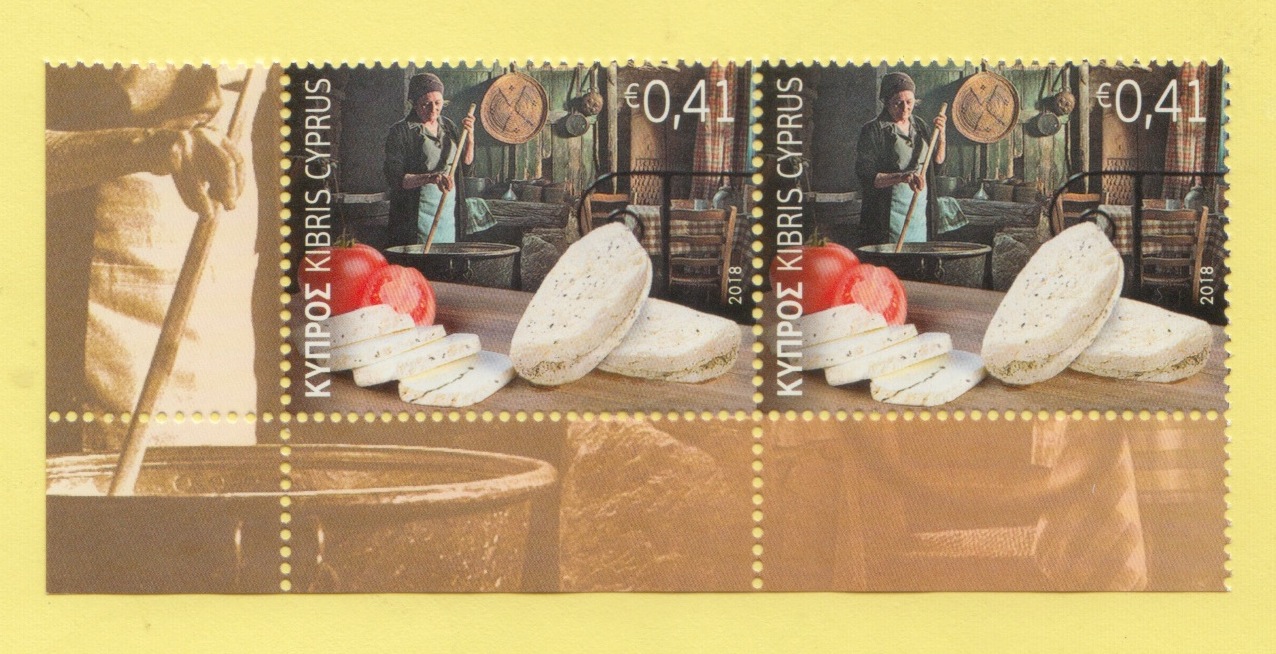
Cyprus 2018 - Halloumi Cypriot Cheese


Technical Details:
Date of Issue: 28 March 2018
Width: 40.0 mm
Height: 30.0 mm
Quantities: 190.000
Denomination: € 0,41
Number in set: 1
Layout/Format: Sheet of 8
Perforations: 13.5 by 13.5
Stamp Issuing Authority: Department of Postal Services
Printer: Veridos Matsoukis SA Greece

Halloumi

Halloumi (fresh or mature) is the Cypriot cheese, made from sheep's or goat's milk or a mixture of the two previous with or without cow's milk.

A lot of reports have testified to the production of Halloumi in Cyprus since ancient times. Venice Doge Leonardo Dona, who lived in Cyprus for two years 1556 - 1558 AC, in one of his manuscripts makes reference to this Cypriot product by attributing it as "calumi". There are also many other references to Halloumi, including that of Archimandrite Kyprianou in 1788 AC.

The characteristics of Halloumi, and in particular its ability not to melt at high temperatures, allow it to be consumed in a variety of ways. Thus, food enthusiasts can enjoy it both grilled or fried as well as a component of pasta or soup (such as trachanas). Halloumi holds a special position in the Cypriot consumer's diet, but is also the first exported agricultural product of Cyprus. It should be stressed that Halloumi, as a Cypriot product, is already protected in several countries through registered trademarks. An application has already been submitted to the European Commission, from Cyprus, for registration of the name Halloumi/Hellim in the European Register as a Protected Designation of Origin (PDO).

Monday, July 1, 2019

Austria 2019 - Hochriegl Sparkling Wine Cellar


Technical Details:
Issue Date:15 May 2019

About Hochriegl Sparkling Wine Cellar

A Traditional Viennese Sparkling Wine

Almost 130 years of sparkling indulgence – this year’s stamp from the “Classicaltrademarks” series is dedicated to a traditional Viennese company: the Hochriegl sparklingwine cellar.

The Viennese family-run company Kattus founded the Hochriegl sparkling wine cellar in 1890. This was a cultural golden age for Vienna, with extravagant balls and receptions at court and in the homes of the nobility and the bourgeoisie offering plentiful opportunities to enjoy epicurean treats of every kind. The good quality of the sparkling wine resulted in the company, headquartered in Vienna's Döbling district, quickly being appointed supplier to the court.

The name Hochriegl is taken from a vineyard outside Vienna's gates, but nowadays it is associated with the classic Viennese sparkling wine, which impresses with its fine quality and symbolises pleasure and love of life. In 2009 Hochriegl was sold to the Schlumberger sparkling wine cellar, but the name was retained and the range is being continuously developed. Despite the reintroduction of the sparkling wine tax in 2014, Hochriegl remains economically viable.

The design on the stamp was taken from a poster by the Austrian graphic designer and illustrator Walter Hofmann from the year 1958. Hofmann's advertisements, with their clear style, were a characteristic feature of Austrian streets throughout the 1950s and 60s. His designs included posters advertising tourism in Austria and brands such as Nivea and PEZ.

Varieties of Sparkling Indulgence

Even today, there is a tendency to associate sparkling wine with luxury, not so much because it is expensive but because it is traditionally drunk on special occasions. That makes it an exclusive pleasure to be enjoyed when celebrating. Innovative new varieties and an attractive design lend it a contemporary feel and an air of joie de vivre.

Since 2011 the many high quality varieties, such as the rosé, the aromatic Ti Amo or the classic Hochriegl Trocken, have been supplemented by innovative Frizzante creations, which appeal to new target groups. Frizzante has a lower alcohol content and contains less carbon dioxide, and it is not subject to the tax on sparkling wines. Fruity flavours such as elderberry, grapefruit or berry make it a popular drink for the summer.

Sunday, April 14, 2019

Canada 2019 - Sweet Canada

Minisheet


Indulge your sweet tooth and explore the delicious origins of five famous Canadian desserts with this souvenir sheet, part of our Sweet Canada issue. This fun and colourful collectible is a great gift for cooking and baking enthusiasts, as well as stamp collectors of all ages.
The featured desserts are Nanaimo bars, Saskatoon berry pie butter tarts, tarte au sucre (sugar pie) and blueberry grunt. On the front of the souvenir sheet, the uniquely shaped stamps are arranged on a recipe card background.
Rich and chocolatey Nanaimo bars have been associated with their namesake Vancouver Island city since the no-bake recipe first appeared there in the 1950’s.
Saskatoon berry pie, notable for the unique apple and almond taste of its fruit, is a true Canadian original. High in fibre, protein and antioxidants, the berries were once a staple of Indigenous people and Prairie settlers.
Butter tarts have become an object of cultural pride in some Canadian communities, with several Ontario towns boasting the best bakers of these sweet pastries.
An indispensable offering at Quebec patisseries, tarte au sucre has centuries-old European origins that were adopted by early arrivals to New France.
Named for the noise it makes while cooking, blueberry grunt has been enjoyed on Canada’s East Coast for generations.
  • ISSUE DATE: April 17, 2019
  • STAMP DESIGNER: Roy White, Liz Wurzinger, Subplot Design Inc.
  • ILLUSTRATION: Mary Ellen Johnson
  • STAMP VALUE: PermanentTM (domestic rate)
  • QUANTITY PRODUCTS: 80,000
  • DIMENSIONS: 127 mm x 90 mm
Booklet

We’re serving up huge helpings of Canadian culinary history with our Sweet Canada stamp issue. This booklet of 10 PermanentTM domestic stamps dishes up the origins of five delicious Canadians desserts and takes you on a tasty trip from coast to coast.
The featured desserts are Nanaimo bars, Saskatoon berry pie butter tarts, tarte au sucre (sugar pie) and blueberry grunt. The fun-shaped stamps are arranged on a recipe card background. The back of the booklet also features a recipe box motif.
Rich and chocolatey Nanaimo bars have been associated with their namesake Vancouver Island city since the no-bake recipe first appeared there in the 1950’s.
Saskatoon berry pie, notable for the unique apple and almond taste of its fruit, is a true Canadian original. High in fibre, protein and antioxidants, the berries were once a staple of Indigenous people and Prairie settlers.
Butter tarts have become an object of cultural pride in some Canadian communities, with several Ontario towns boasting the best bakers of these sweet pastries.
An indispensable offering at Quebec patisseries, tarte au sucre has centuries-old European origins that were adopted by early arrivals to New France.
Named for the noise it makes while cooking, blueberry grunt has been enjoyed on Canada’s East Coast for generations.
  • ISSUE DATE: April 17, 2019
  • STAMP DESIGNER: Roy White, Liz Wurzinger, Subplot Design Inc.
  • ILLUSTRATION: Mary Ellen Johnson
  • STAMP VALUE: PermanentTM (domestic rate)
  • QUANTITY PRODUCTS: 200,000
  • DIMENSIONS:
    • Sugar Pie: 34.4 mm x 30.5 mm
    • Butter tart: 32 mm x 29.4 mm
    • Saskatoon Berry Pie: 40.9 mm x 30.9 mm
    • Nanaimo Bar: 35.1 mm x 32 mm
    • Blueberry Grunt: 43.1 mm x 27.9 mm

Friday, March 8, 2019

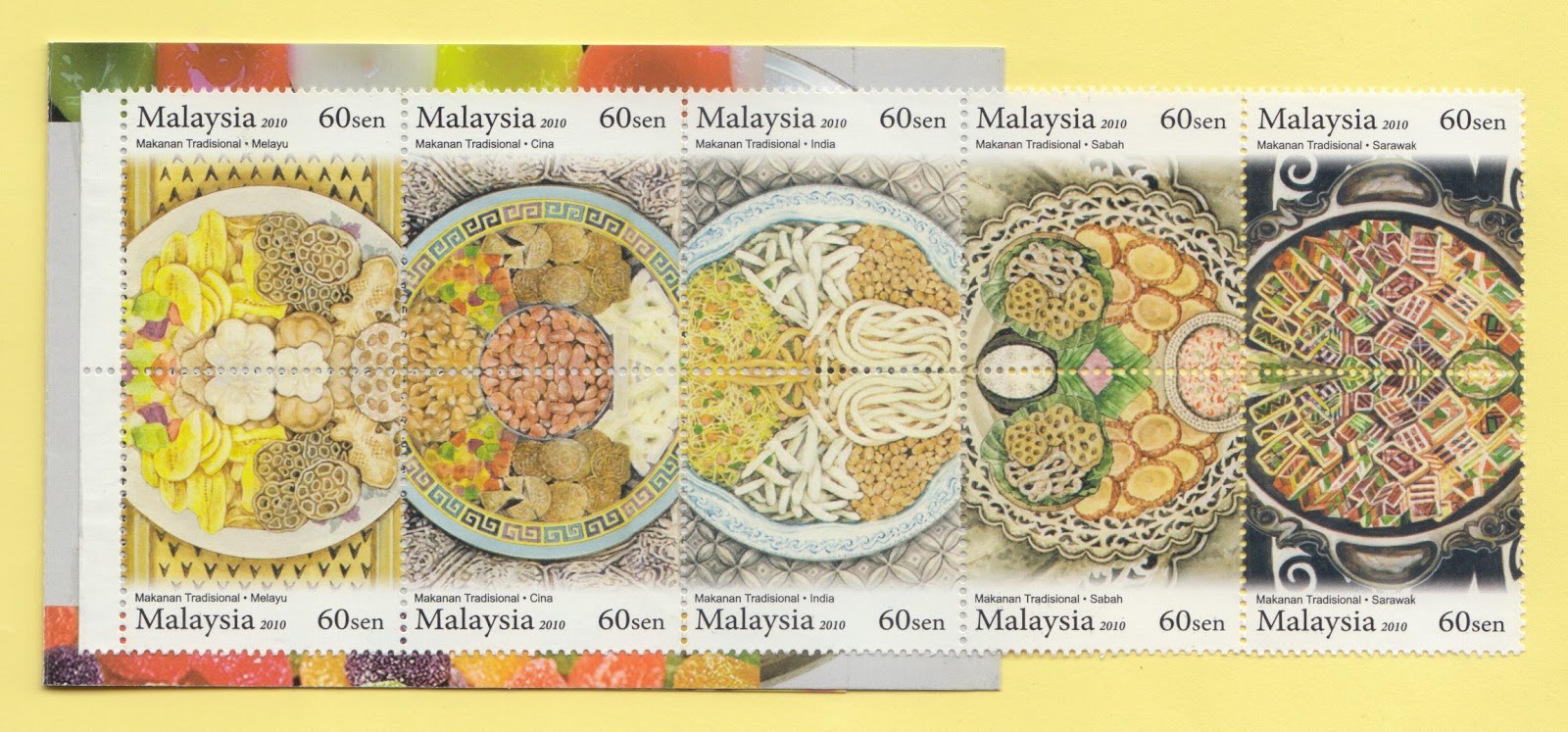
Malaysia 2010 - Traditional Festive Food


Technical Details:
Date of Issue 10 August 2010
Sheet Content: 20 Stamps
Paper: SPM Watermarked, Phosphor Coated
Printing Process: Lithography
Printer: Percetakan Keselamatan Sdn Bhd
Stamp Designer: Hazel Design Sdn Bhd

Need the 80 cents stamps and SS.

Malaysia 2019 - Exotic Foods


Monday, February 4, 2019

German - Bread Culture 2018


Wet adhesive stamps of 2.60 EUR each in a sheet of 10, suitable for franking Maxi letters up to 1,000 g within Germany.


Draft:
Carsten Wolff, Frankfurt am Main
Motive:Slices of five typical German breads
Photo: Lilly Hummel, Frankfurt am Main
Value:
2,60 EUR
Format PWz:
Width: 34.89 mm; Height: 34.89 mm
Format ten-sheet:
Width: 209.00 mm; Height: 104.00 mm
Arrangement PWz:
5 PWz next to each other, 2 PWz with each other
Arrangement EAN code:
An EAN code is placed on all four edge pieces of the narrow margin page. The edge pieces remain white.
Printing house:
Bagel Security-Print GmbH & Co. KG, Mönchengladbach
Substrate and printing process:
Coated, white and fluorescent postage stamp paper DP II; Multicolor offset printing
Issue date: 02. January 2018

========

Self-adhesive postage stamps for 2.60 EUR each in a set of 10, suitable for the franking of maxi letters up to 1.000 g within Germany.
Size of the single stamps: 34.89 x 34.89 mm. Size of the set: 90 x 130 mm.
Design: 10 self-adhesive special postage stamps "German bread culture".
The motif was designed by Carsten Wolff, Frankfurt am Main.
First day of use: 03. May 2018.

Tuesday, January 29, 2019

Netherlands 2018 - All Holland Bakes (Heel Holland Bakt)


The Hague, December 10, 2018 – This Sunday was the day: the first episode of a new TV season “Heel Holland Bakt” at broadcaster MAX. During the broadcast of RTL Late Night on 7 December, jury member Janny van der Heijden was surprised with special stamps on the occasion of the start of the 6th season.
Passionate amateur bakers
In the popular TV series “Heel Holland Bakt”, André van Duin, Jannyvan der Heijden and Robèrt Beckhoven go in search of the Netherlands’ mosttalented home baker. In 8 broadcasts, 10 passionate amateur bakers compete forhonor. Ultimately, there is only one winner, namely the one who, according tothe professional jury, best controls all baking disciplines.

From meringue to cheesecake
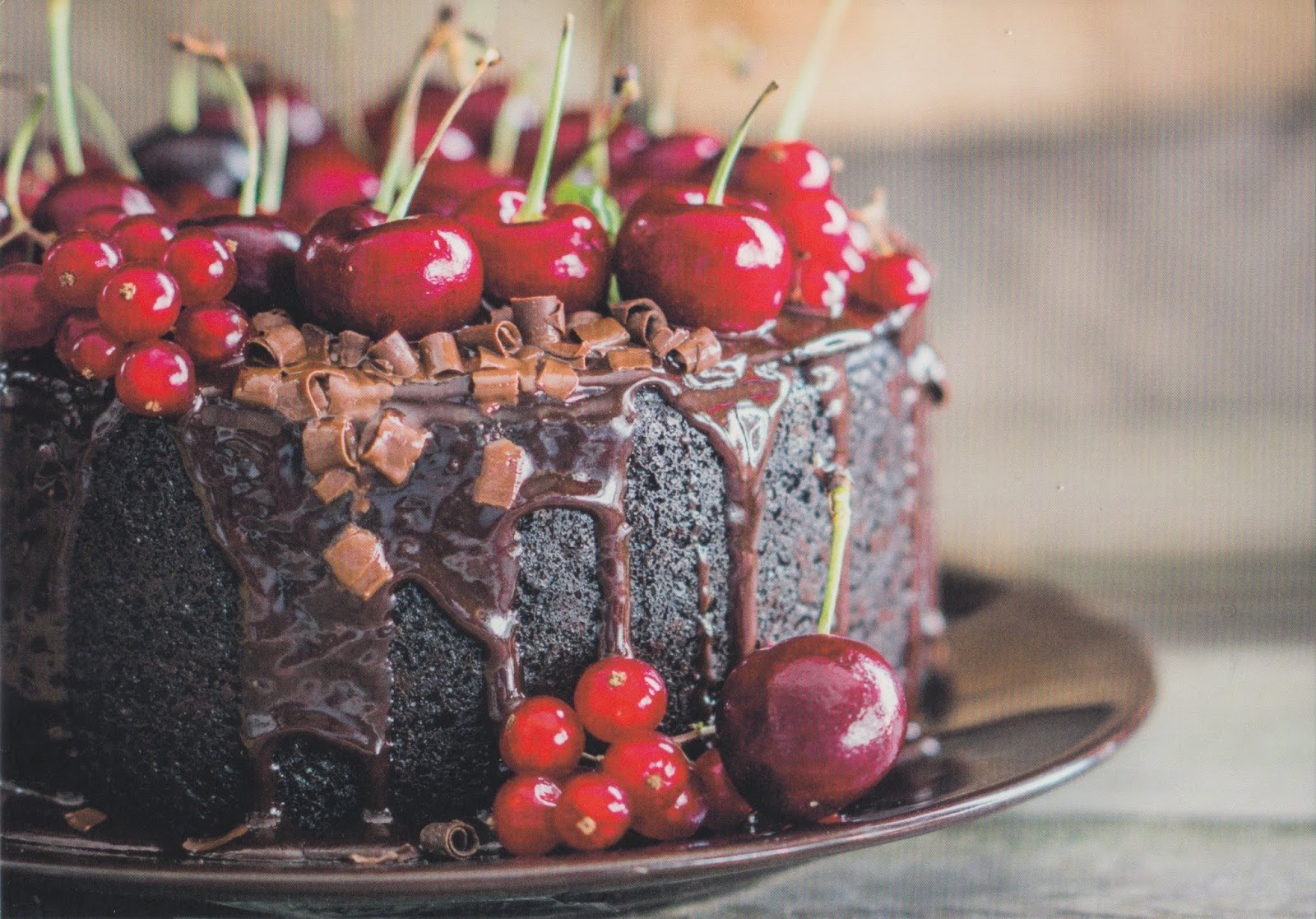
To celebrate the start of the 6th season PostNL has issued a “Heel HollandBakt” mail set. The post set consists of 5 maxi cards and a stamp sheetwith 5 different stamps. On the cards and on the stamps are colorful picturesof popular cakes and pastries: a meringue with currants and blueberries, acherry chocolate cake, an apple pie in rose form, a foam cake with raspberries,blackberries and blueberries and a cheesecake with figs. The stamp sheetletcontains a large photo of the entire jury of “Heel Holland Bakt.”

Fantastic’
Janny van der Heijden received the stamp sheet Friday in RTL Late Night.”Wow, I had not seen them yet. What have they become beautiful, fantastic!”

Availability
The postset “Heel Holland Bakt” consists of 5 maxi cards and a stampsheet with 5 different personal stamps with the value indication Nederland 1,intended for mail up to and including 20 grams with a destination within theNetherlands. The mail set costs 8.95 and can be ordered via www.postnl.nl/HeelhollandBakt since 7 December. The mail set can also be ordered by telephone at CollectClub’s customer service on telephone number 088 – 868 99 00. The period ofvalidity is undetermined.

Sunday, December 30, 2018

Denmark 2018 - Wild Food


Natural Eating 

The Danish countryside is full of edible plants that can be eaten both raw and cooked. Five of the most common now feature on stamps. Sustainable and eco-friendly. More and more people have begun to head out into the countryside to pick, or gather mushrooms, seaweed, herbs and other edible plants. By picking and using the wild seasonal produce provided by Mother Nature, you are participating in a sustainable culture in which you not only make better use of natural resources, but can also enjoy tasty and fully natural culinary treats. Environmentally friendly, healthy and free of charge.

Denmark - Open Sandwich 2012 (Self Adhesive)


Egg and Prawns Sandwich
Rolled Sausage Sandwich
Potato Sandwich
Roast Beef Sandwich

Sunday, December 23, 2018

Malaysia 2017 - Festival Food Series - Indian


Technical Details:
Date of Issue: 17 October 2017
Stamp Value: 65 Cent, 80 Cent, 90 Cent & RM5
Stamp Size: 30 mm x 40 mm
Soevenir Sheet Size: 80 mm x 80 mm
Perforation: 14
Stamp Designer: Reign Associates Sdn Bhd
Printing Process: Lithography
Printer: Southern Colour Print, New Zealand
Stamp Paper: Tullis Rusell High Reading Yellow / Green Phosphor Gummed Stamp Paper 103gsm

Malaysia 2017 - Festival Food Series - Malay


Technical Details:

Date of Issue: 06 June 2017
Stamp Value: 65 Cent, 80 Cent, 90 Cent & RM5
Stamp Size: 30 mm x 40 mm
Soevenir Sheet Size: 80 mm x 80 mm
Perforation: 14
Stamp Designer: Reign Associates Sdn Bhd
Printing Process: Lithography
Printer: Joh. Enschede Stamps B.V., The Netherland
Stamp Paper: 102gsm PVA Gummed OBA FREE Stamp Paper

Malaysia 2017 - Festival Food Series - Kadazandusun and Dayak


Technical Details:
Date of Issue: 16 March 2017
Stamp Value: 60 Cent, 80 Cent, 90 Cent & RM5
Stamp Size: 30 mm x 40 mm
Soevenir Sheet Size: 80 mm x 80 mm
Perforation: 14
Stamp Designer: Reign Associates Sdn Bhd
Printing Process: Lithography
Printer: Joh. Enschede Stamps B.V., The Netherland
Stamp Paper: Tullis Rusell High Reading Yellow / Green Phosphor Gummed Stamp Paper 103gsm

Malaysia 2017 - Festival Food Series - Chinese


Technical Details:
Date of Issue: 24 January 2017
Stamp Value: 90sen, RM1, RM1.10 & RM5
Stamp Size: 30 mm x 40 mm

Soevenir Sheet Size: 80 mm x 80 mm
Perforation: 14

Stamp Designer: Reign Associates Sdn Bhd
Printing Process: Lithography
Printer: Southern Colour Print, New Zealand
Stamp Paper: Tullis Rusell High Reading Yellow / Green Phosphor Gummed Stamp Paper 103gsm

Saturday, December 15, 2018

Faroe Islands 2016 - Nordic Food Culture


Technical Details:
Date of Issue: 26 April 2016
Value: 9,00 Faroese Krona (Danish Krone)
Stamp Size: 55 mm x 33 mm
Photo: Fotostudio
Printing Method: Offset
Printer: Cartor Security Printing, France
Postal Use: Small Letters Inland - 0-50 gr

Nordic cuisine is the theme of the joint Nordic stamp issue this year.
The Faroese contribution to this issue depicts some of the traditional Faroese specialities.

Faroese Food Culture
Nordic cuisine is the theme of the joint Nordic stamp issue this year. The Faroese contribution to this issue depicts some of the traditional Faroese specialties which are stored in the so-called “hjallur”. This is the Faroese variant of the pantry, a drying shed ventilated by the wind all year round. Hjallurin serves both as cold storage and a setting for various forms of food preservation.

The location of the Faroe Islands in the middle of the North Atlantic has always had a crucial impact on food preservation and thus for the Faroese kitchen. For centuries the grassy treeless landscape has not been conducive to highly advanced agriculture. Grain cultivation was difficult - it is said that on average grain harvest failed every three years. To a certain extent the Faroese have always been dependent on grain imports, and in the former half of the 20th century the hope of grain cultivation was finally abandoned. Instead, potatoes were a solid crop after its introduction in the early 19th century. Along with sporadic cultivation of beets and imported grain, the potato became a basic staple in the Faroese kitchen.

On the stamp‘s left hand side four hares have been hung up for curing. The hare is the only land mammal hunted by the Faroese. It was introduced in the middle of the 19th century, with its hunting in mind – and hares can now be found on most islands. The hare‘s reproductive cycle makes it suitable for hunting. They breed three times a year - and it is estimated that each year approximately 7,000 hares are shot.

Beside the hares there are four “grindalykkjur”, meat strips of pilot whale suspended to be dried by the wind. The pilot whale has always been of decisive significance as a source of meat in the Faroe Islands. In addition to being eaten fresh, cooked with whale blubber, “grind” has also been salted and dried. In a wilted state (semi-dry and slightly fermented) it can be boiled. This is especially true of meat of inferior quality, ribs, shoulder blades, etc. The wind-dried strips depicted on the stamp are eaten with whale blubber, which has either been dried or pickle salted –recognized, moreover, as a delicacy.

The stamp also depicts “greipur”, which consists of wind-dried fish. Fishes are tied together in pairs, called “greipa“, and then hung up in „hjallurin“ for drying. At first a certain maturation and fermentation of the fish takes place, lending it a strong flavour. In this first stage the product is called “ræstur fiskur”, fermented fish which is served cooked. Fat of either dried or salted whale blubber is used with the fish called ”sperðil”, a sausage made of sheep‘s tallow in a bowel, or ”garnatálg” which consists of cleansed fermented sheep intestines. The intestines have been cured, then ground and mixed with fresh sheep‘s tallow. The result is a very strong-tasting tallow which is melted and poured over the dried fish and potatoes.

If the fish is left suspended for a longer period of time, it dries up, becomes very hard and should be beaten tender before eating. Dry or pickle-salted whale blubber or butter, and potatoes, are served with the fish.

A principle of the traditional Faroese kitchen is that everything should be utilized to the utmost. Therefore, “mørur” also forms a part of the foodstuffs in our hjallur. Mørur consists of the sheep‘s intestines and organs and is a part of the traditional diet in the autumn.

We will not dwell on the numerous varieties of dishes that can be prepared from mørur, only name a few.

“Tálgalivur” is sheep‘s liver filled with mutton tallow, most often with onions and peppers. “Blóðmørur” is a kind of blood sausage with blood, flour, tallow, and sometimes raisins in cleansed sheep stomachs. The tallow and sheep stomachs are depicted in the bowl in the centre of the picture.

Other examples indicating that everything can be exploited to the utmost are the cod heads just above the bowl. If they are large enough, fish heads make for excellent dining. They can also be cut to “kjálkar”, fish cheeks fried or boiled fresh or salted, and “lippur”, gills consisting of the tongue and the fatty meat under the chin.

A few guillemots hang beside the “mørur”. Traditionally, seabirds of various species have also been a part of the Faroe kitchen. Guillemots, razorbills, puffins and fulmars are the most common - and on the island of Mykines gannet is also a prized for its taste. The availability of birds is limited and varies with time. The hunting of birds is subject to very strict preservation regulations.

When sheep are slaughtered in the fall, almost all carcasses are hung to mature and dry. At first time a certain fermentation takes place, just like with the fish, but there are three stages in the drying process. After Christmas, the meat reaches a stage where it is called “ræst”, i.e. fermented and semi-dry. “Ræst” meat has a distinctive strong flavour (and odour). It is a highly valued delicacy, served fried or boiled, also providing for a great soup.

After having hung for a few more months, the meat is dry and eaten without further preparation. Dried sheep meat is used as cold cuts on brown bread or the traditional “drýlur” (unfermented bread). Most dried meat is eaten at this stage, but if it hangs to dry for a year, it becomes “skerpikjøt” which is drier and harder than regular dried meat.

These three phases of the drying process for mutton, “ræst kjøt”, “turt kjøt” and “skerpikjøt”, are by most Faroese considered to result in the finest delicacies in the traditional Faroese kitchen. Recent years have seen changes in the traditional serving methods and preparation of Faroese specialties. Star chefs have experimented with food, combined it in creative ways and with non-traditional garnish. This has given rise to a large selection of brand new tasting experiences, which even appeals to people outside the Faroes. The gourmet restaurant “Koks” in Torshavn is well known for its successful fusion cuisine and gourmet artistry with cured raw materials.

It should be added that these cured and dried foods can only be produced thanks to the Faroe high and very salty air humidity, which prevents the food from rotting.

Lately experiments have been conducted, for instance with the aim of wind-drying Danish ham and cheese. These experiments have proved to be quite promising.

Anker Eli Petersen

Friday, December 14, 2018

Saturday, December 1, 2018

Algeria - Algerian Couscous 2018


The Couscous

Algerian Couscous: Couscous is a traditional food dish that dates back thousands of years and occupies a prominent position in Algerian cuisine. Today, it is resistant to contemporary cuisine. It is a dish based on a grain of wheat flour. Therefore, the history of this dish is inseparable from the history of the most cultivated grain. The world, namely wheat and this seven thousand years ago .

Experts confirm that the date of the cesacean dish dates back to the period 148-202 BC. Remains of pottery vessels similar to those used in the preparation of couscous were found in tombs dating back to the period of the Amazigh king Massinissa. The entry of Islam in North Africa, adopted by the Arab conquerors, where the process of exploration in the Tiaret area in Algeria, found some of the pots, including the amount used in the preparation of couscous dating back to the ninth century .

The word Saxo, which has become Xxx and Cixi in the Arabic language of North Africa, is found in the dialects of all of Algeria and North Africa. It is a word that refers to wheat that is good in stereotypical and present tense in everyday life. It is applied to all occasions such as weddings, The dish is from one region to another like Xuxu and Saxo in the Kabylie region to Algiers, known in the east of the country as Couscous, Grace, Barboche and is called in the Mezab region of Ocho while in the west of the country is named Food .

So Falcxi is a real national dish and is prepared in various ways and cooked in combination with meat of all types and salted dried meat or even with the fish and offers Almrk is a mixture of vegetables and beans and spices and called "Alarqa" Arabic and "watering" Amazighs in red, yellow or white colors, as well as other types of mascara, called "Al-Safa" and other mascara and salted, known as "mashed ". 

This ancient and cross-cultural dish has remained authentic despite the passage of time as it is the staple food in North Africa and the national dish in the Maghreb countries (Algeria, Tunisia and Morocco), which is strongly calling for it as a cradle. The couscous is the specialty of Maghreb cuisine and North Africa as a universal intangible heritage of humanity for UNESCO. This classification will be a means of promoting strong ties between the peoples of the Maghreb.


Drawing: Zeinab Bahri
Value: 25 دج
Stamp size: X29 43
Printing Press: Algerian Bank Press
Method of printing: Ovens
Circular document: a photographer envelope at 7,00 dj and using a photo stamp for the first day.
Pre-sale: On Tuesday, 12 and Wednesday, 13 June 2018, in all major post offices in 48 states .
General sale: Thursday, June 14, 2018 at all post offices

Saturday, September 22, 2018

Malta - EUROPA, Gastronomy 2005


Technical Details:
Issue Date: 09 May 2005
Designer: Joseph P. Smith
Process: Offset
Colours: 4 colours
Size: 31.0 x 44.0mm
Values: 16c, 51c

This year’s Europa stamp issue, a two-stamp set which will go on sale on today from all Maltapost branch post offices, depicts gastronomy, the theme chosen by PostEurop for 2005. The two stamps, with face values of 16c and 51c, are the result of some brilliant photography by photographer Joseph P. Smith, and are offset printed by Printex Ltd.

The stamps, in vertical format, are 31.0mm base x 44.0mm in size, with a perforation of 14.0 x 13.9 (comb), and are available in sheets of 10.

Gastronomy, according to the Oxford Dictionary, is the art or science of good eating. Mediterranean cuisine, with its enormous selection and availability of the very best that the land can offer, ranks among the leaders when the subject of good, wholesome food is raised.

Prime examples of our cuisine are graphically displayed on these stamps. The 16c stamp shows stuffed sweet peppers, courgettes and aubergines, and the 51c stamp shows another firm favourite – that most characteristically Maltese dish, rabbit fried in wine and garlic. Both dishes are very traditionally Maltese, and were lovingly prepared for Joe Smith’s photography by Noel Debono of the Medina Restaurant.

In the Maltese Islands, as in other parts of the Mediterranean, vegetables are never regarded as a mere accompaniment to the main course, but as dishes in their own right. Mediterranean and middle eastern people go in for stuffing vegetables, baking them and using them in soups. We also fry them, stew them and put them into pies. Vegetables make a main course at supper time, served as a warm salad with an oil and lemon juice or vinegar dressing. There are several ways of cooking vegetables, according to whether they are young and tender or large and tending to be coarse.

Perhaps the most characteristically Maltese meat is the rabbit. The fenkata, or rabbit feast, has now become the national dish and is thus in danger of becoming cheapened as it is promoted on tourist menus. A fenkata today is best described as a kind of rabbit outing or celebration where a family or group of friends get together for a meal of spaghetti and rabbit. The eve of the feast of Mnarja on 29 June is one of the occasions for a rabbit feast of gigantic proportions, with hundreds of Maltese and visitors making their way to Buskett Gardens to partake of this traditional dish to the accompaniment of folk songs.

The Europa 2005 issue will be available from today as a first day cover, in mint or cancelled format, and as a souvenir folder or presentation pack.

Monday, September 10, 2018

Faroe Islands - EUROPA, Gastronomy 2005


Technical Details:
Issue Date: 18 April 2005
Value: 7,50 DKK & 10 DKK

All over the world the provision and preparation of food have always been an important part of national culture, with countless variations being shaped by the possibilities to hand.

About the Motif
All over the world the provision and preparation of food have always been an important part of national culture, with countless variations being shaped by the possibilities to hand.

Climate has been crucial in terms of the type of food it was possible to produce. Living in tropical countries and having to survive in the polar regions will always be different, of course.

The original food on the Faroes came for the most part from the animal population on the island, mainly sheep in the upland pastures, birds on the bird cliffs and fish in the sea. The climate is not the best for cultivating cereals, vegetables, etc., so they were not of great importance.

Potatoes did not become a regular ingredient in the daily diet until the late 19th century, although people had long been familiar with them. Instead they used to boil Faroese swedes (Brassica) for dinner, for example.

The seasons set their stamp on eating habits. Fish was more or less available all year round, but mostly in the spring, when it provided roe in addition to liver. The opportunity to eat other fresh food arrived at the same time as spring fishing (March – April). Cows usually calved in spring, so there was most milk in summer. Birding and egg collecting (nest plundering on the bird cliffs) were also part of the summer, while the chances of catching pilot whales are greatest in August, when people could also go out into the potato fields and pick new potatoes. In autumn the men went up into the mountains to bring the sheep in for slaughtering. Nearly every bit of a slaughtered sheep was put to good use. As well as the meat, people used the head, trotters, liver, lungs, heart, stomach and blood (the collective Faroese word for which is avroð).

Since ancient times the only way to keep most foodstuffs was to salt or dry them. Salt was in short supply for a long time, so drying was the commonest method for preserving food. There were two salting methods, pickling in brine and dry-curing, with barrels being used for both.

Meat, whale, fowl and fish were all dried. Once gutted, sheep were hung up to dry in the wind in a single piece. Before birds were hung up, they were split along the back and tied together in pairs. Fish too were hung up to dry in pairs, while whale meat was cut into loops before hanging.

The autumn weather had a major impact on whether what had been hung up to dry tasted right. The drying process itself can be divided into three stages: visnað (lightly dried), ræst (semi-dried/seasoned) and dried. These terms refer to flavour, appearance and smell. What we can call “lightly dried” is achieved in just a few days and is much faster for fish than for whale meat. The word visnað is not generally used about meat.

The change to ræst is slow, but if the air suddenly turns cold, whatever has been hung up to dry can jump this stage and never gets the real semi-dried/seasoned flavour. If, on the other hand, the air is too warm, the dried meat can become too ræst and so end up with a harsh or rank flavour. Meat is normally dried until Christmas.

Mutton, fish, fowl and whale meat are eaten at all three stages of the process (and fresh too, of course). Visnað and ræst have to be cooked. Dried meat is eaten as it is. For food to have the best possible flavour, it has to be treated correctly, of course. In particular you have to make sure that flies are kept away, especially in mild autumn weather, or there is a risk of the food being spoiled by maggots.

Mealtimes vary from country to country. In days gone by there were three main mealtimes on the Faroe Islands: morgunmatur (lunch) at around 9 – 10 am, døgurði(dinner) at around 2 – 3 pm and nátturði (supper) at 9 pm or later. Normally there were also two smaller mealtimes: ábit (breakfast), which people ate when they got up early in the morning, and millummáli (tea), which came between dinner and supper.

For lunch people used to eat drýlur (cylindrical, unleavened bread, originally baked in the embers of the fire). Later, rye bread made from rye and wheat flour became more common. An accompaniment would be served with the unleavened bread. These days it is sliced meats and the like, but back then it was most likely to be a piece of mutton.

Dinner usually consisted of boiled fish, whale meat and blubber or fowl. In the late 19thcentury it became common for people to eat potatoes for dinner. On Sundays and festivals those who could (i.e. farmers) would have ræst meat and súpan – soup, specifically meat soup (made from preserved meat with flour or grains, etc., added). Cooked fish was also considered to be a good Sunday meal.

Supper nearly always took the form of spoon food, i.e. milk products of various sorts in summer and soup in winter. When the cow had calved there would be ketilost, a cold dish of heat-thickened colostrum served with cinnamon and sugar. Drýlur and bread were not eaten with supper, but it was common to eat wind-dried fish before the soup. People generally drank water, milk, milk mixed with water, tea or coffee.

No one started the day’s work on an empty stomach. Breakfast was therefore a slice ofdrýlur and a drink of milk, a little soup or leftovers from the previous day’s supper.

For tea people drank milk, tea or coffee accompanied by a slice of bread or, occasionally, pancakes. White bread or cake has gradually become more common.

Food was generally boiled. Every household had at least two pots: one for oily or greasy food such as blubber, liver, etc., and one for everything else. There were three types of food bowl: a meat bowl, a fish bowl and a snyktrog (for greasy or oily food). As well as their pots, people also kept large ladles (sleiv), slotted spoons (soðspón) and various “sticks” for stirring porridge (greytarsneis) and whipping milk or cream (a milk beater ortyril) in their one-roomed hut, which served as kitchen, workshop, living room and bedroom.

Times have changed, with the result that we now eat a lot of food bought in shopping centres – most of it foreign. The Faroe islanders have acquired an international cuisine, with vegetables, fruit and spices being a normal part of everyday life. But old Faroese food is still eaten with great relish and is regarded as a real delicacy.

Saturday, August 11, 2018

Moldova - Traditional Food and Culinary Herbs 2014


Tehnical Details:
Date of Issue: 28 September 2014
Width: 46.0 mm
Height: 27.5 mm
Denomination: 1.00 MDL 1.20 MDL, 4.00 MDL, 7.00 MDL
Layout/Format: Sheet of 10
Perforations: 14 by 14.5
Designer: Vitaliu Pogolşa
Printer: Printing House Nova Imprim Chisinau Moldova
Stamp Issuing Authority: Ministére de la technologie de l’information et des communications Republique de Moldova

Traditional Food and Seasoning Plants, as follow: 
1.00 MDL - Fried Fish with Garlic
1.20 MDL - Bean Soup with Thyme
4.00 MDL - Cheese and Dill Pies
7.00 MDL - Chicken Broth with Parsley

Wednesday, August 8, 2018

Romania - Live healthy! Romanian Traditions 2014


Technical Details:
Issue Date: 18 April 2014
Designer: Mihai Vamasescu
Process: Offset
Colours: 4 Colours
Size: 36 x 36, 164 x 92 mm
Values: 1 Leu, 3.60 Lei, 4.50 Lei, 8.10 Lei

About Live healthy! Romanian Traditions

Approaching in the wide range of philatelic themes, an issue of public interest concerning a balanced nutrition, Romfilatelia develops a new project dedicated to a healthy lifestyle, by introducing into circulation the postage stamp issue: Live healthy! Romanian traditions.

Taking into account that there is no food which can assure all our nutritional needs, it is important, and recommended to have a varied alimentation including fruits, vegetables, bread, cereals, dairy products, meat and eggs.

The four stamps of the issue, having the face values ​​of lei 1.00, lei 3.60, lei 4.50 and lei 8.10, illustrate some of the traditional dishes that can be found on Romanians’ tables on Holidays.

Red eggs, lamb meat, season vegetables, cheese in fir-tree bark and cozonac cake are among the foods served during the Holy Feast of the Resurrection of Jesus Christ, being important symbols of the Easter holidays and embodying Resurrection, purity and the renaissance of the entire Creation.

The red egg has always been associated with the renaissance, the beginnings, and thereafter with the Resurrection of our Lord. Thus, egg tapping is accompanied by the Easter greetings: “Christ is Risen!”, “Truly He is risen!”, that Christians use on Easter time instead of “hello” or its equivalent. The red colour symbolizes the blood of Christ.

The Lamb is the symbol of innocence, gentleness and purity. The lamb or the ship embodies the animal to be sacrificed, the Christian as a member of God’s flock, and Jesus Christ who sacrificed himself for the salvation of people, overcoming evil. Roasted, baked or cooked in sour soup with vegetables, lamb meat is a delicious dish. From a nutritional point of view, rational consumption of lamb is recommended as it is highly rich in proteins, vitamins and microelements. However, to ensure proper functioning of the body, lamb roast and eggs should be associated with many salads and season vegetables, such as wild garlic, garlic, green onion, pilework, and many others.

The Easter traditional cake called Cozonac, a product similar to Pasca (a Romanian pastry containing eggs, sour cream and fresh cheese) is presented as the sweet bread of Resurrection and renaissance of the entire Creation, replacing thus the pasca or being served together with it.

A symbol of water, life, fertility and wisdom, the fish is one of the earliest Christian representations, Jesus calling the Apostles fishers of men, and feeding a large crowd of believers with only two fish and five loaves of bread. In addition to the union with Christ, the fish is also a symbol of water, life and spiritual food. Fish products have an excellent nutritional value. The amount of nutritive elements it contains varies according to the species and the environment they live in. Fish fats are characterised especially by the high amounts of Omega 3 polyunsaturated fatty acids.

The cheese in fir-tree bark is a type of dairy prepared in the mountain areas, being an important source of fat-soluble vitamins (that can be dissolved in fats or oils), essential amino acids, calcium, phosphorus, magnesium, selenium and zinc. A balancing element of daily alimentation, dairy products shouldn’t be missing from any person’s meals. They are delicious, healthy, and can be combined with many other ingredients.

The philatelic album is created into a limited run printing of 300 pcs. equipped with the block of 4 postage stamps and the First Day Cover of the issue, having the “first day” postmark clearly imprinted in gold foiling. Both products are numbered in black from 001 to 300.